Projekt:Kultur – Cultural Work at Schools

Projekt:Kultur – Cultural Work at Schools

PROJEKT:KULTUR

CULTURAL WORK AT SCHOOLS
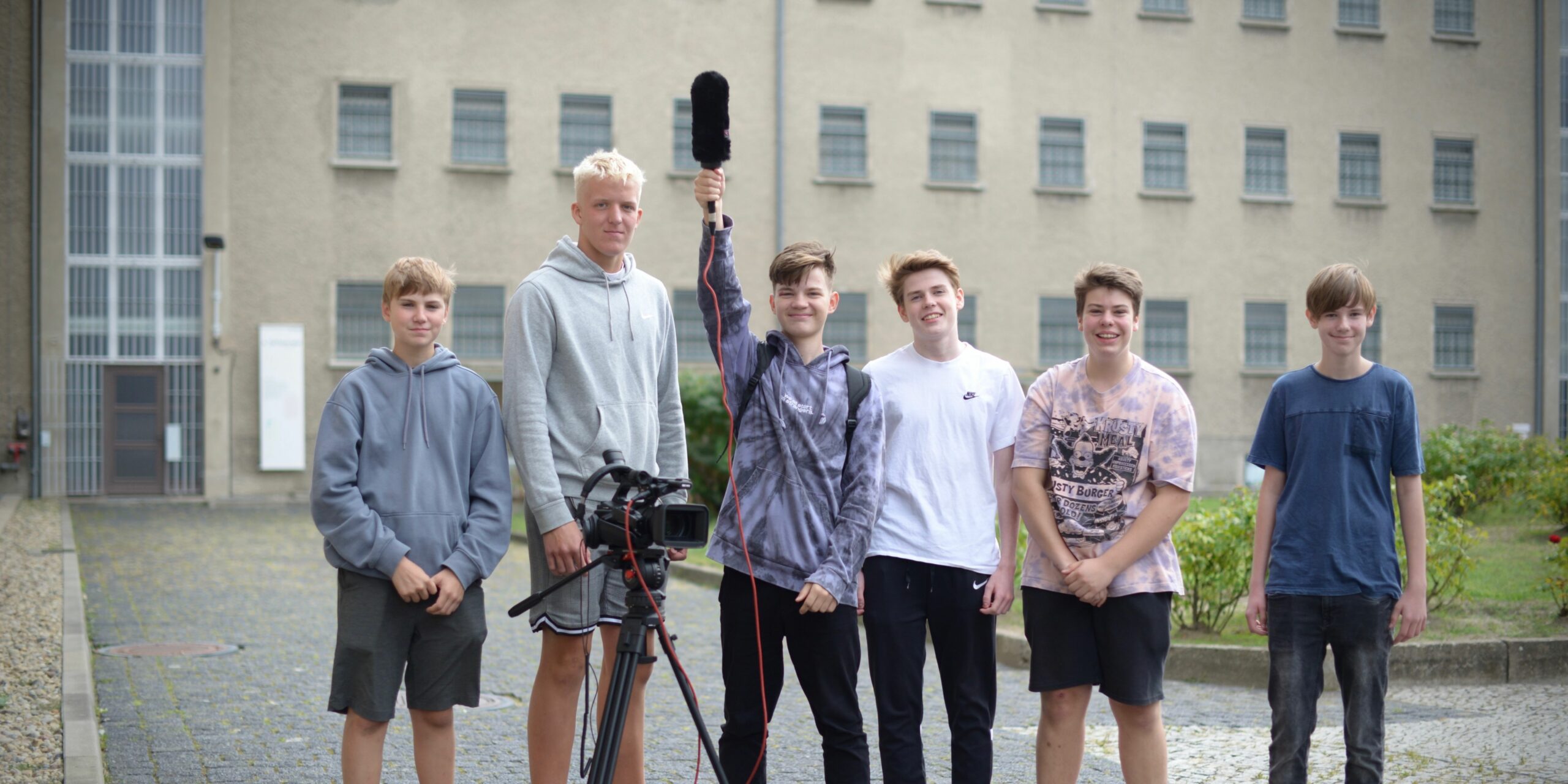
We want to give ‚teaching‘ a new face. In our eyes, teaching and learning aren’t just about memorizing and repeating known information. We view learning as forming, implementing and evaluating a process whose outcome is not predetermined. The people involved shape a project during its lifetime, change it and adapt it, all while aiming for a presentable product.

Ulrike Kegler, member of the board of trustees and initiator of Projekt:Kultur

Project description:

For the programme Projekt:Kultur, all types of lower secondary schools can apply to the NEUMAYER STIFTUNG for a time-limited project in the fields of theatre, art, handicrafts, dance or cooking. The concept of culture is intentionally broad. The project is accompanied and carried out by external experts who are selected independently by the schools. Cooperation with the teachers during the entire process is an essential prerequisite. The project involves all students of a grade level and takes place for a limited period of at least two weeks – in the place of regular lessons.

Project goals:

Children and youth between the ages of 12 and 16 are going through a phase of life in which many changes take place every day and at the same time life determining decisions are being made. The theoretically shaped and often one-dimensional classes at secondary schools usually do not have the potential to meet the needs of children and young people in this crucial phase of their lives. They need new impulses that go beyond learning for exams and promote community experiences and a sense of belonging. Often it is cultural experiences and engagement in creative processes that create new spaces of experience, thus opening up the possibility to enjoy self-expression and self-efficacy on the path to acquiring a new self-image and eventually redefining personal success. External experts, who are brought into the school for a limited period of time, play an essential role in the project concept. They embody other areas of life and expand the school’s one-dimensional laboratory perspective. Guided by people from different professional fields and cultural backgrounds, students develop expertise, shape processes from start to finish and collectively experience the essential interplay of effort (process) and success (product).

Projects have become a highly relevant form of work in the modern professional world. People with different skills collaborate across disciplines according to a plan to achieve a common goal and product. This basic competence must be learned and implemented in schools today.

Barbara Riekmann, member of the Club of Rome Schools and initiator of Projekt:Kultur

FAQ

When does the application period start?

Project:Culture started its pilot phase in the 2021/2022 school year, the third funding year is currently underway and applications for the 2024/2025 school year are now open! Applications can be submitted exclusively via the online application tool.

Where does Projekt:Kultur take place?

At selected schools of all types in the DACH region (German speaking countries).

Who is the project aimed at?

The NEUMAYER STIFTUNG supports a total of thirty schools of all types within the context of Projekt:Kultur. Schools from Germany, Austria and Switzerland can apply for Projekt:Kultur. The projects are aimed at students in grades 7 to 10 and are led by the school administration as the project board in conjunction with an assigned teacher who is responsible for the project. In addition, the project is supported by external experts. The requirements are the participation of as many students as possible from one grade level (lower secondary school, 7th to 10th grade) and the project must be carried out by external experts. An open and experimental attitude as well as a binding participation of all project participants are required.

Who selects the projects?

The selection committee of the NEUMAYER STIFTUNG chooses a total of up to thirty schools for funding. 

Aim of the funding:

NEUMAYER STIFTUNG supports thirty cultural projects per school year.

Type of funding:

The NEUMAYER STIFTUNG supports cultural projects at the chosen schools with up to 10,000.00 € per school. The framework of the project participation includes a kick-off workshop and a final workshop. At the beginning of the school year, the participating schools present their respective projects, exchange suggestions and then refine project ideas. The conclusion of the project takes place with a one-day workshop in October, where results are presented and experiences are shared. 

Duration of funding:

Once per school year; ongoing

2 Questions for … the initiators of Projekt:Kultur, Ulrike Kegler and Barbara Riekmann

What does your project stand for?

Ulrike Kegler: „Project-based learning is still a relatively uncommon approach in the realm of teaching methodology in schools. However, young people seek opportunities to engage with relevant, real-world problems and effect meaningful change. Experts will contribute to bringing this type of relevance into schools as part of our project. They are skilled at taking on “serious” projects, an area where schools often fall short, as the practice environment can feel artificial and disconnected from the real world, especially when it comes to collaborative performance.“

What do you want to achieve with your project?

Barbara Riekmann: „In many cases, the special challenges faced during the Corona pandemic have led to all creative and inspiring tasks being pushed into the background in order for schools to continue operating under the challenging conditions. Potentials and opportunities of a hybrid education system, besides all the difficulties it brought forth, may have been overlooked.“ 

Contact Information:

NEUMAYER STIFTUNG Lange Straße 31, 60311 Frankfurt am Main, E-Mail: projekt-kultur@neumayer-stiftung.de 
KIFA – WEITER BILDEN

KIFA – WEITER BILDEN

KIFA – WEITER BILDEN

Project initiator:

NEUMAYER STIFTUNG is currently implementing the KIFA education program in 32 day care centers in Germany and in Satu Mare, Romania.

Project description:

KIFA – weiter bilden (KIFA further education) is a systemic educational program for the further education and empowerment of all mothers in day care centers, based on tandem work between educational specialists and mothers.

The KIFA pedagogy links to the resources of the families and strengthens the mothers‘ educational, training and language skills. By activating conscious participation, involvement and co-determination, participation is made possible and identification with the day care center as well as mutual appreciation between parents and the day care center team is stimulated.

With KIFA, day care centers become family centers where mothers are strengthened, receive encouragement, develop and educate themselves personally, and carry the spirit of cooperation into their families.

KIFA has been successfully established for more than 20 years in more than 30 day care centers and is an operative project of the NEUMAYER STIFTUNG.

Structure and affinity provide the framework for a healthy society.

This is what KIFA pedagogy stands for, it develops education further.


Mission statement

Project aims:

KIFA brings about help for self-help. The core of the program is to strengthen the mothers‘ educational and upbringing skills through practical experience, exchange of experiences at eye level and with specially developed materials. KIFA thus causes parental activation and parental participation and supports healthy growing up and good educational opportunities for children from the very beginning – regardless of gender, origin or nationality.

Project location:

Germany

Project start:

2008

Project target group(s):

Women and mothers and/or families and educational specialists in child day care facilities; primary school teachers.

Aim of the funding:

KIFA is an operative project of the NEUMAYER FOUNDATION, which actively promotes the empowerment of women and mothers in daycare centers – in a structure all its own. Under the motto: „Continuing Education“, KIFA’s continuous further development, quality assurance and dissemination takes place.

Type of funding:

Funding by NEUMAYER STIFTUNG covers staffing costs, start-up financing during the implementation phase in nurseries, qualification of specialists and mentors, process and practical support, (further) development of parent course materials and strategy development.

Duration of funding:

Since 2008; unlimited

Successes/awards:
  • Bildungsidee 2012
  • Landesweiterbildungspreis Baden-Württemberg 2010
  • Preis Soziale Stadt 2008
Contact details of the project initiator:

KIFA organization office at
NEUMAYER STIFTUNG
Lange Straße 31
60311 Frankfurt am Main

Email: kifa@neumayer-stiftung.de

„Der Ortenauer Weg“

„Der Ortenauer Weg“

„DER ORTENAUER WEG“

Project initiator:

Bildungsregion Ortenau e.V.

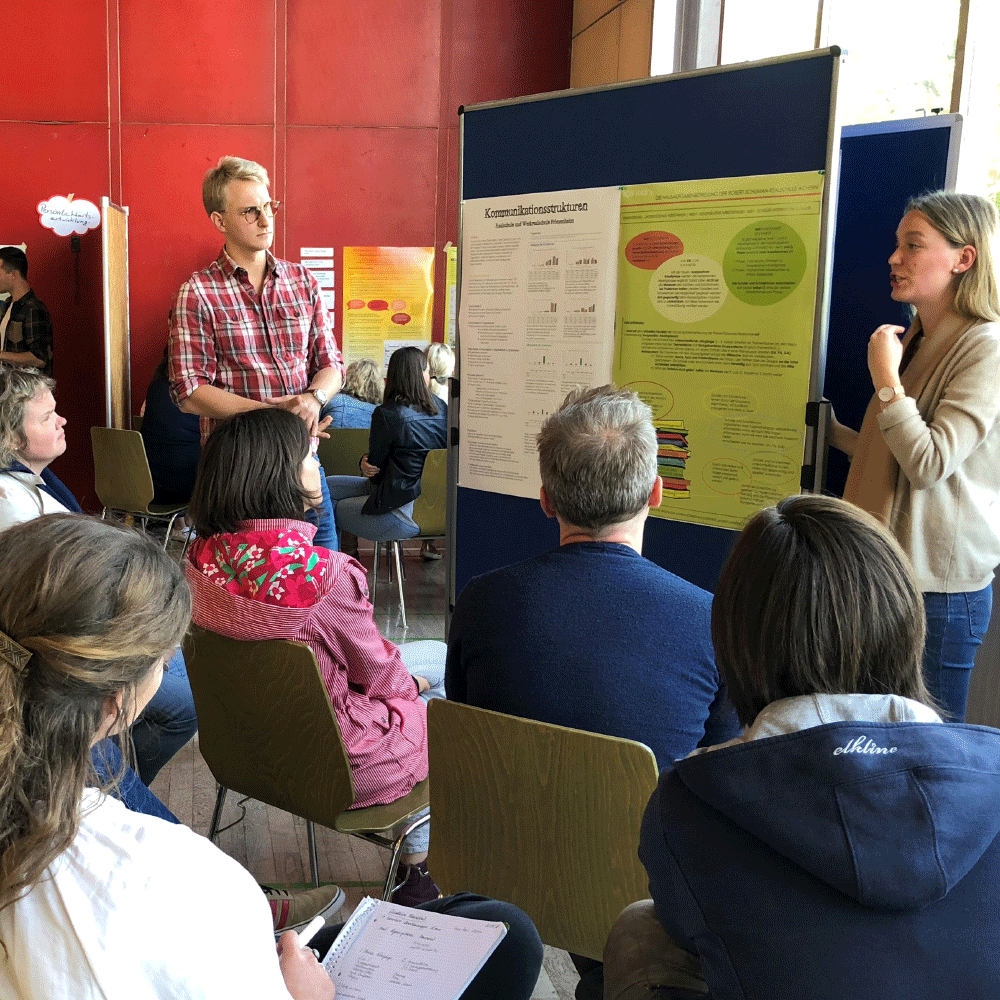
The organisation „Bildungsregion Ortenau e.V.“ (BRO) [Educational Region of Ortenau Association] offers its members and cooperating educational players a platform for networking, interaction and development of innovative projects and plans in the region. It takes a participatory approach whose success has been proven in networking education partners and facilitation of educational processes.

The project „Der Ortenauer Weg“ supports schools in joining up the existing sub-projects that are part of the school development and continuing education project „L:ike“ and putting them into an overall context. Furthermore, the project „Der Ortenauer Weg“ helps schools to involve partners and places of learning outside of school, in order to dovetail scholastic learning with the everyday lives of pupils.

Project description:

To help teachers reflect upon and expand existing teaching skills, and to support schools in shaping learning in real-world contexts with out-of-school learning partners in the region, the Staatliche Schulamt [state education authority] of Offenburg developed the further education and training concept „L:ike“ („Lernen: individuell, kooperativ, eigenverantwortlich“ or „Learning: individual, cooperative, independent“ in English), in cooperation with Bildungsregion Ortenau e.V., Schulentwicklung.ch and NEUMAYER STIFTUNG.

The project „Der Ortenauer Weg“ brings together various different L:ike sub-projects and helps the participating students to develop further on this basis. Individual measures and further education and training modules are planned and implemented according to the level of development of the schools and based on requirements.

To facilitate successful educational paths in the region

„Learn from others – learn from each other – learn together“

Mission statement

Project aims:

To improve the educational paths of pupils and make them compatible. Learning in stable relationship structures should mean that pupils are no longer left behind. Each school has a concept that precisely fits their specific situation, and schools in each region support each other through mutual dialogue. Educational pathways that pay attention to and support individual pupils are developed, evaluated and stabilised. Involving schools in networks with other schools and places of learning outside of school creates a link between school-based education and learning content from the adult world. Focal points can be created based on the social framework conditions of schools.

Project location:

Offenburg, Baden-Württemberg

Project start:

2016

Project target group(s):

All types of schools and counselling and education centres for pupils with special educational needs, in the area of the Staatliche Schulamt Offenburg or Bildungsregion Ortenau.

Aim of the funding:

Breaks in the educational paths of pupils can be prevented if school is a constant point of reference with familiar teachers and little change. Every student should get a school-leaving qualification followed by vocational or professional training. Close dialogue between schools enables experiences and knowledge to be shared.

Type of funding:

Facilitation of continual support of the project over six years by two project officers. Financing of further education and training within the school, specialist talks and coaching. In addition, evaluation is taken over by PH Ludwigsburg University of Education.

Duration of funding:

2016 – 2022

Contact details of the project initiator:

Bildungsregion Ortenau e.V.
In der Spöck 10
77656 Offenburg
Telephone: +49 (0)781 9686740
Fax: +49 (0)781 9686750
Email:info@bildungsregion-ortenau.de
www.bildungsregion-ortenau.de

Empowered Women Empower Women – Women for Women International, Afghanistan

Empowered Women Empower Women – Women for Women International, Afghanistan

EMPOWERED WOMEN EMPOWER WOMEN – WOMEN FOR WOMEN INTERNATIONAL, AFGHANISTAN

Even in the most challenging and fragile conflict-areas, women, if they are given the right support, are ready and able to improve their own lives immensely – and lift whole communities out of poverty with them.

Brita Fernandez Schmidt, Ambassador Women for Women international

Project initiator:

Women for Women International

Since 1993, Women for Women International have helped more than 500,000 marginalized women throughout eight countries worldwide obtain the necessary tools to create a way out of poverty and crisis in addition to achieving economic and health stability — thus transforming their communities in a sustainable way.

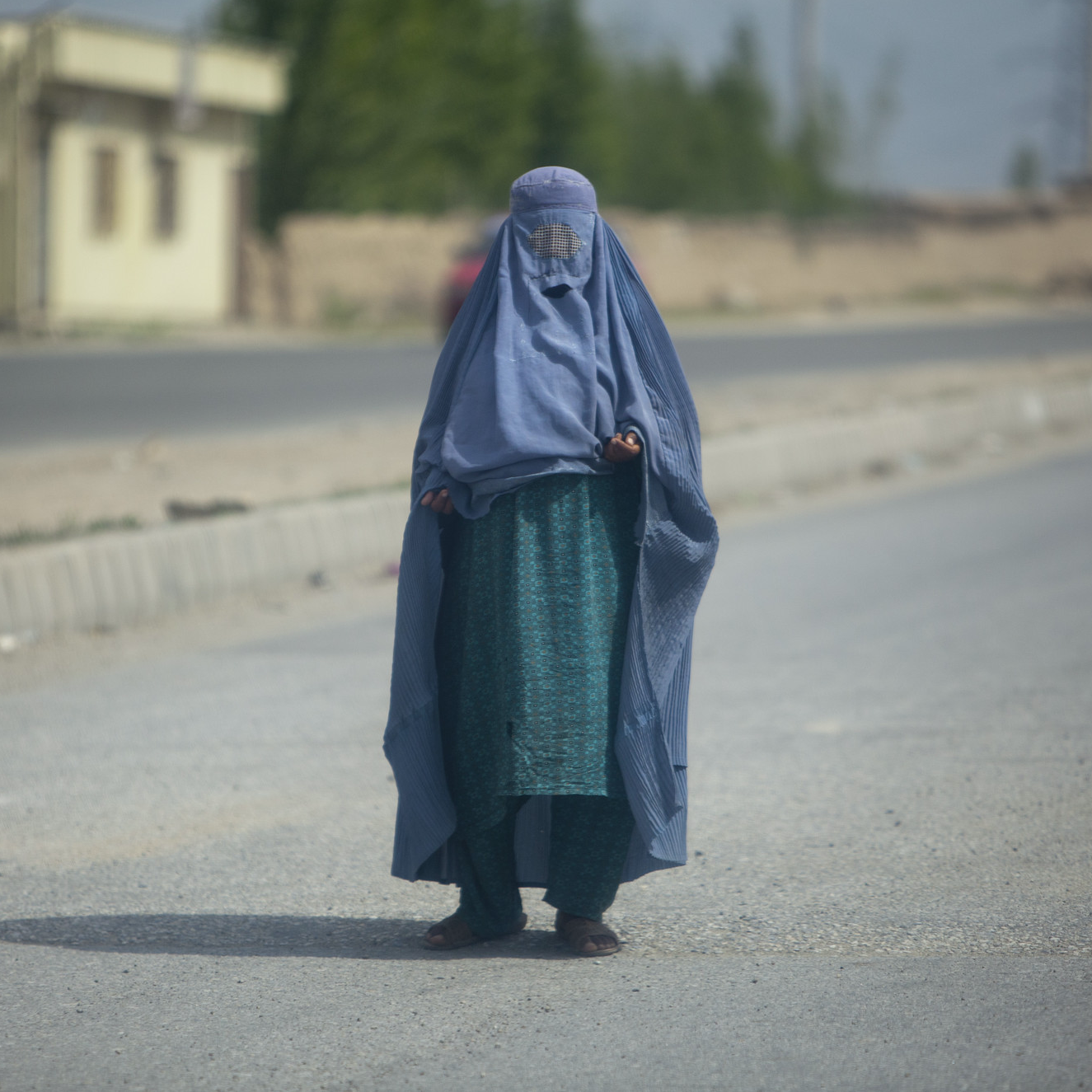
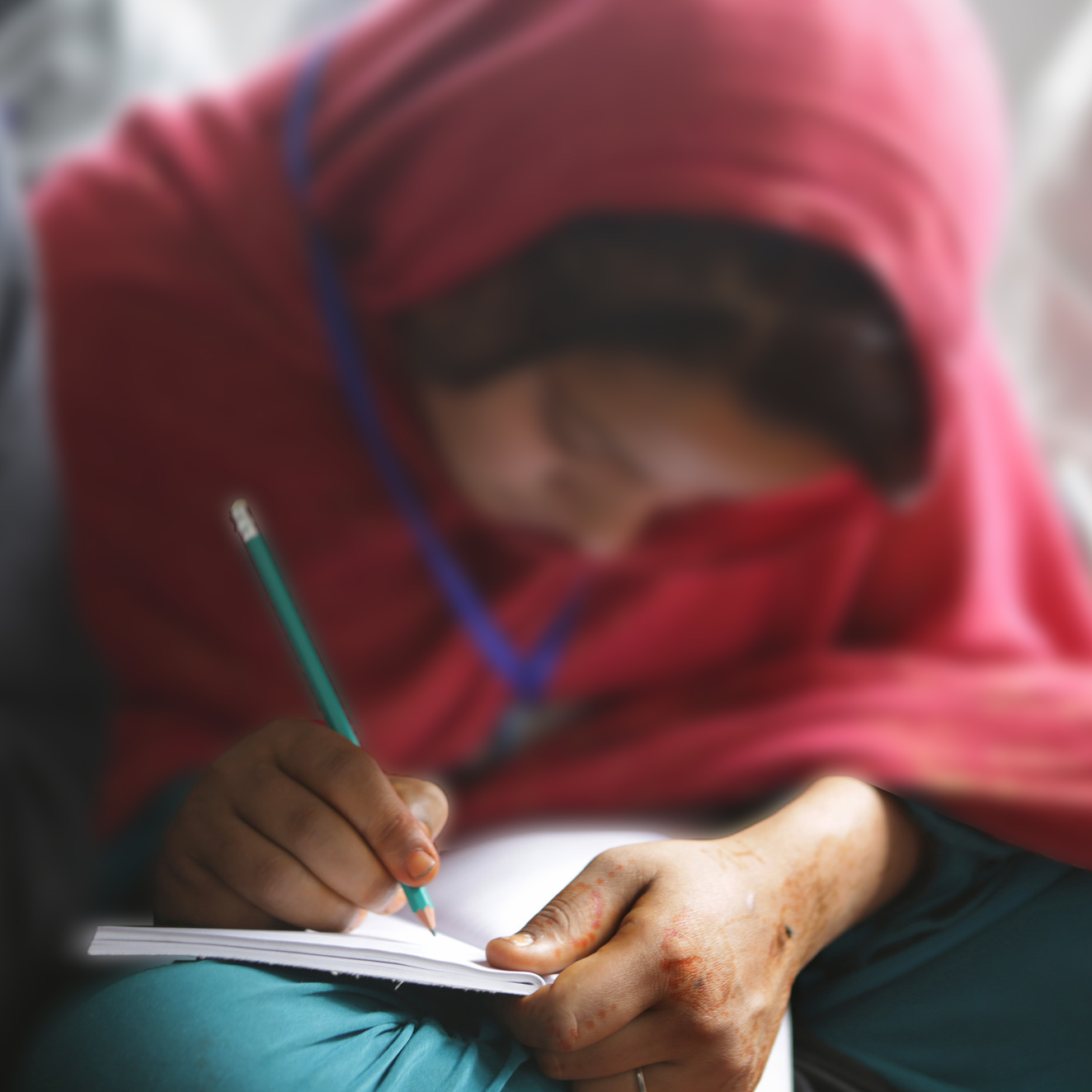
Women in Afghanistan experience various forms of physical and psychological violence, societal discrimination, forced marriage, sexual abuse and exclusion. Many women have neither access to health care nor to education and therefore no opportunity to exercise their rights.

Women for Women International has been working with marginalized women in Afghanistan for the past 17 years, supporting them to educate themselves, to be able to exercise and defend their rights and thereby gain sufficient decision-making abilities in their families and village communities as well as achieving independence and future prospects.

Branches of the project initiator:

Women for Women international operates in war-torn and conflict affected countries around the world, including Afghanistan, Iraq, South Sudan, Rwanda, the Democratic Republic of Congo and Nigeria.
They also have locally registered affiliate organizations in Bosnia and Herzegovina and Kosovo.

Education is important in all aspects of women’s lives, including their personal development and that of the country.

former official in the Nangarhar provincial council

Project description:

The support of the NEUMAYER STIFTUNG will enable the implementation of Women for Women International’s globally successful concept of a one-year holistic social and economic empowerment training course in regions in Afghanistan, which have not been reached until now. This opens up the possibility of reaching an additional 300 marginalized women in Afghanistan who have still not yet had any access to educational programs. During the three years grant period, three groups will each undergo twelve months of integral training with the aim of imparting fundamental skills for securing their livelihoods.
As a reaction to the instable social and political situation within the country, women for women international are currently focussing on providing emergency humanitarian aid. The team continuously supports afghan women countrywide especially in regards to facing their daily challenges such as hunger, cold, violence and the covid-pandemic.

In countries affected by conflict and war, Women for Women International supports the most marginalized women to earn and save money, improve health and well-being, influence decisions in their home and community, and connect to networks for support. By utilizing skills, knowledge, and resources, she is able to create sustainable change for herself, her family, and community.
Mission statement

Project aims:

Women for Women International creates safe places for women and an environment in which health, nutrition and active participation in social decision-making processes can be discussed with trust and confidence. During the 12-month training program, basic knowledge and key core competencies will be imparted. The focus areas are (1) education on critical life-skills, including health, hygiene and nutrition, managing money, rights and decision-making; (2) business-oriented training in numeracy, budgeting and marketing, and a chosen vocation aligned with local markets; (3) resource provision in the form of a monthly cash stipend, savings mechanisms, and referrals to health and legal services. In addition, a network is created in which women support, exchange and encourage each other.

Project location:

Afghanistan

Project start:

2019

Project target group(s):

Marginalized women in Afghanistan

Aim of the funding:

Strong women – strong families. Deliver a package of interventions that targets the barriers to women’s social and economic progress, allows them to measurably improve incomes and make informed decisions to benefit themselves and their families. This three-year project responds to the urgent need for sustainable livelihoods and networks via Women for Women international’s tested and holistic social and economic empowerment programme and asset transfers to help participants further consolidate economic gains.

Type of funding:

Participation in the personnel costs of the trainers and coordinators. The stipends of program participants, training supplies and business kits.

Duration of funding:

Since July 2019

Successes/awards

Awarded with the Conrad N. Hilton Humanitarian Prize, 2006

Contact details of the project initiator:

Women for Women International (DE) gGmbH
Poststrasse 6
20354 Hamburg
Handelsregister HRB 153306
Telefon: +44 (0)20 7922 7765
E-Mail: kontakt@womenforwomen.org
www.womenforwomeninternational.de

KIFA – Romania

KIFA – Romania

KIFA ROMANIA IN THE „HOUSE OF FRIENDSHIP“, DON BOSCO IN ROMANIA

Project initiator:

Asociatia Organizatia Caritas a Diecezei (Diözesancaritas Satu Mare)

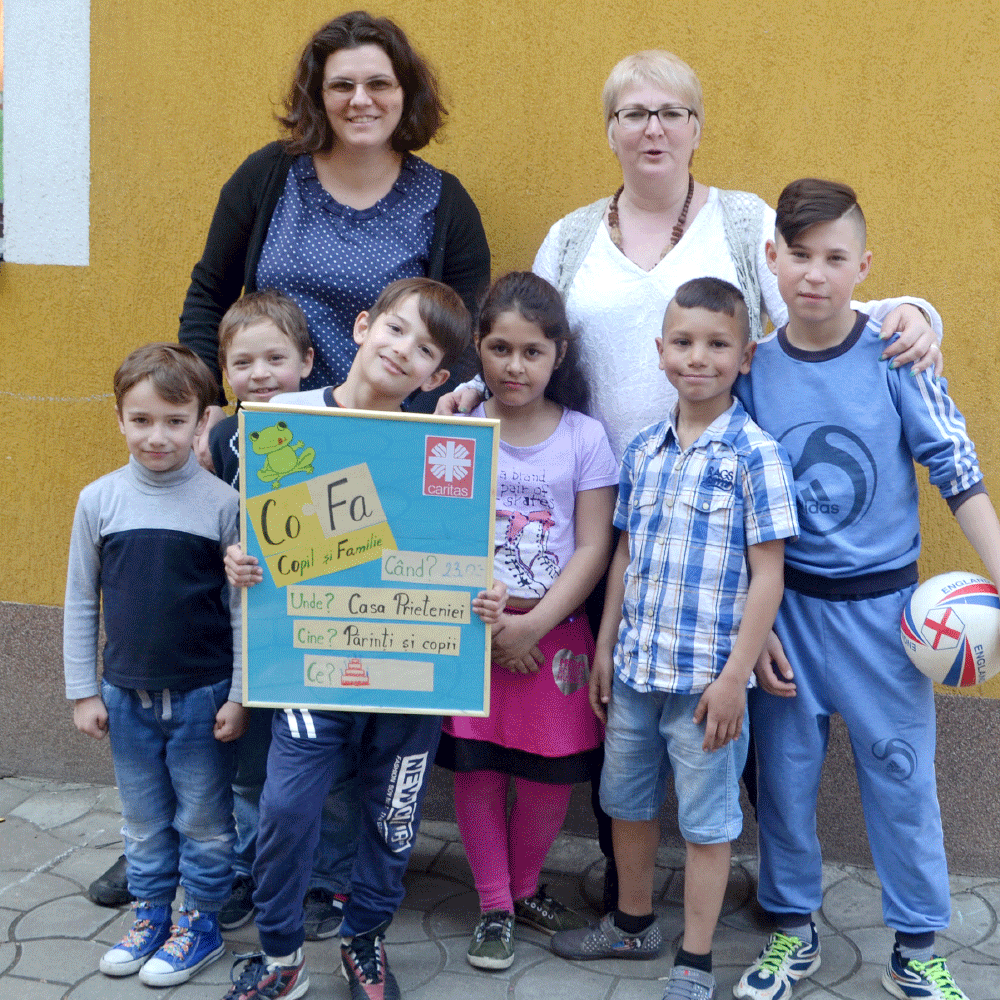
The childcare centres of Diözesancaritas Satu Mare look after children from socially vulnerable Romanian, Hungarian and Roma families, some of whom have grown up in poverty. Most of them live in run-down areas of the city of Satu Mare, Romania. Child poverty doesn’t just mean that material needs aren’t met. It’s an all-encompassing phenomenon that affects the whole of the child’s personal development and influences the rest of their life.

The KIFA Romania project aims to prevent poverty from having these negative consequences. The „KIFA“ concept has already been successful in Germany. „KIFA“ stands for „Kinder- und Familienbildung“ [education for children and families], and is an operational project that NEUMAYER STIFTUNG has been running since 2008. It is now being established in Satu Mare. Implementation of the project in Romania is based on professionals from Romania work-shadowing at KIFA in Germany.

Project description:

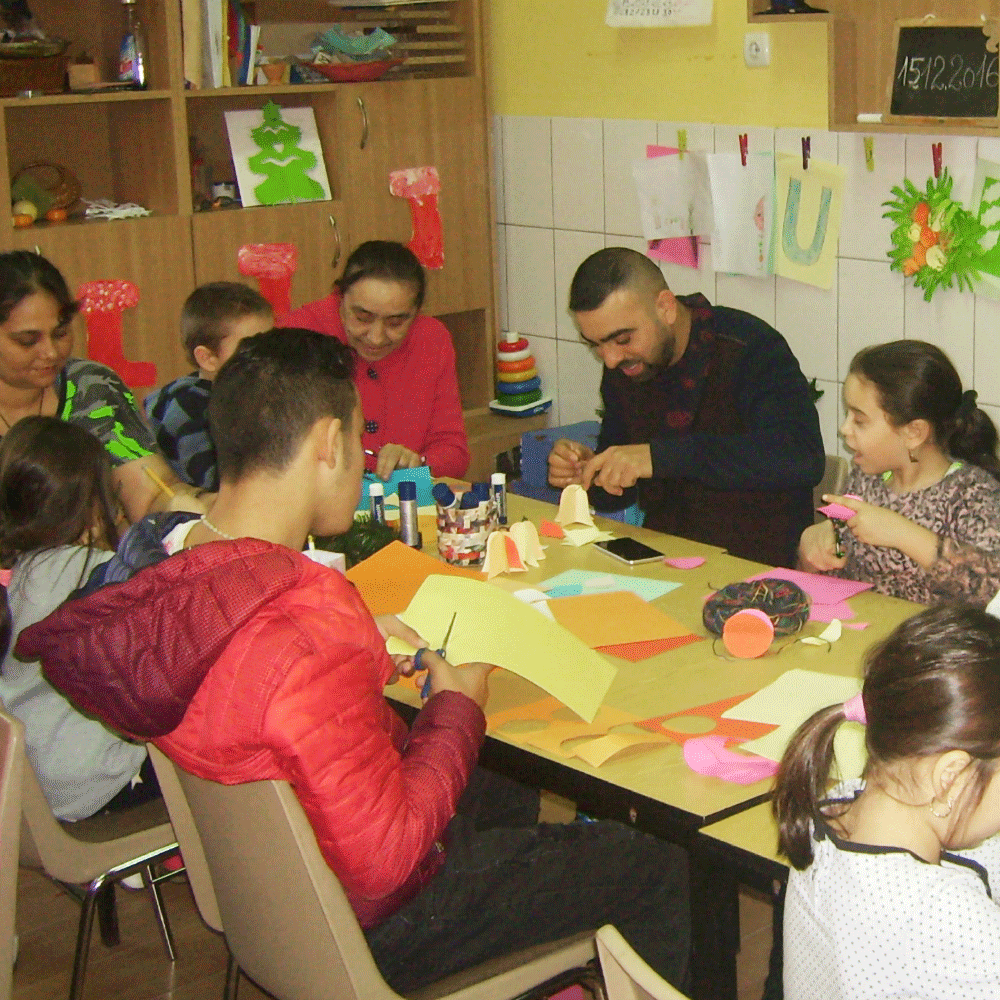
Trained teachers make sure that children in the Romanian facility learn and internalise all of the rules that will enable them to integrate fully into society. They start with basic hygiene and cover everything up to social norms. This opens up doors for the future. Families benefit from financial and non-financial assistance that prevents children from having to leave education early.

Courses and joint recreational opportunities involve parents in the educational work and encourage them to play an active part. This helps to develop parenting skills and also gives parents insights into society that lead to new opportunities and improved integration. Parents are given guidance to improve their parenting skills and test out ways in which they can change their behaviour to be positive role models for their children.

Children need good role models. We support early education and development opportunities for children, regardless of their nationality and social background.

We focus on involving parents in raising children and families and in building communities, with the aim of improving their parenting skills and boosting their self-confidence.

Mission statement

Project aims:

To give parents support with everyday tasks and to improve their independence, in order to create a positive attitude about their children attending kindergarten or school. This supports the role of the parents and there is a high probability that it will lead to children remaining in public education institutions for longer.

The parents’ sense of responsibility increases, their problem-solving skills improve in cases of illness, problems with education and with regard to family resources. Last but not least, the project aims to increase interest in books, education and cultural offers and therefore to promote equal opportunities.

Project location:

Satu Mare, Carei / Romania

Project start:

2015

Project target group(s):

Roma families from Satu Mare and the local population of the district where the children live. (Parents who have received training act as role models for parental behaviour for everybody in the local communities).

Aim of the funding:

The main aim of the funding is sustainable implementation of the successful KIFA concept in the partner institutions in Romania. Qualification of mentors, assistants and educational specialists within the Caritas Academia must be guaranteed. This forms the basis of long-term and sustainable financing through local institutions, as there is no state funding for these types of projects.

Type of funding:

Process support by the KIFA team. The implementation in Romania benefits from previous experiences of KIFA implementation in Germany and is based on the KIFA concept that has been developed. Support for the costs of implementing the courses for parents. Creation of Romanian-language materials for the courses for parents, based on the German KIFA documents.

Duration of funding:

Since 2015

Contact details of the project initiator:

Asociatia Organizatia Caritas a Diecezei
P- ţa Libertăţii nr. 20
440014 Satu Mare
Telephone: +40 (0)261 717245
Email: caritas_satumare@yahoo.com
www.caritas-satumare.ro